
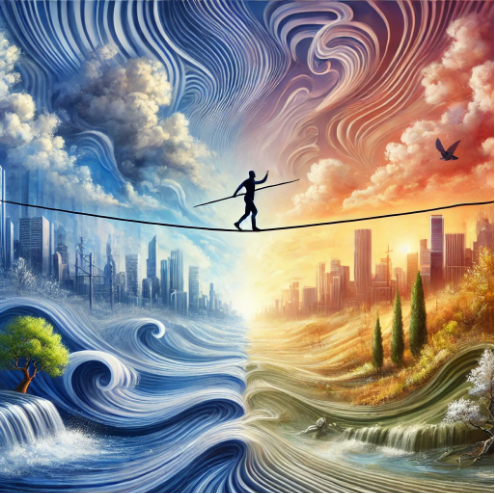
Dynamic Equilibrium at WEMAAA 2024: Balancing Growth and Sustainability
Understanding Dynamic Equilibrium: A Simple Guide
Imagine you’re riding a bicycle. To stay upright, you must keep pedaling and make small adjustments to your balance. If you stop moving or fail to adjust, you’ll fall. This ongoing process of maintaining balance while adapting to changes is a perfect example of dynamic equilibrium.
Dynamic equilibrium is all about staying balanced in a constantly changing environment. Unlike static balance, which is fixed and unchanging, dynamic equilibrium allows for movement and flexibility, adapting to challenges while keeping things stable overall.
What is Dynamic Equilibrium?
Dynamic equilibrium happens when different forces, systems, or actions are balanced, but not in a rigid way. Instead, it’s a balance that is constantly shifting and adjusting to stay stable.
For example:
- In Nature: Think about a forest. Trees grow, animals come and go, seasons change—but the ecosystem stays balanced by adapting to these changes.
- In Life: Imagine balancing work and personal life. Some days, you might focus more on work; on others, you might spend more time with family. The balance isn’t fixed—it adjusts depending on your needs.
Why Does Dynamic Equilibrium Matter?
In today’s fast-changing world, nothing stays the same for long. Companies, individuals, and communities face challenges like climate change, technology disruptions, and social inequalities. To thrive, we need to stay flexible and adapt, just like riding that bicycle.
Dynamic equilibrium helps us:
- Adapt to Change: Stay steady even when things around us shift.
- Be Resilient: Bounce back from challenges without losing balance.
- Work Together: Recognize how different parts of a system (people, businesses, nature) depend on each other.
Dynamic Equilibrium at WEMAAA 2024
At WEMAAA 2024, dynamic equilibrium is the guiding principle. The summit encourages businesses and individuals to find innovative ways to balance their goals with the needs of society and the environment.
For example:
- Companies: Can balance profits with efforts to reduce pollution or support communities.
- Individuals: Can balance personal goals with actions that help the planet, like reducing waste or volunteering.
- Communities: Can adapt to challenges while ensuring no one is left behind.
By understanding dynamic equilibrium, we can build a future that’s flexible, fair, and sustainable. Whether you’re running a business, raising a family, or simply trying to do your part for the world, this principle shows us how to stay balanced in the face of change. And that’s what WEMAAA 2024 is all about—teaching us how to embrace and achieve this balance together